How to Choose the Right Portable Power Station
Short answer
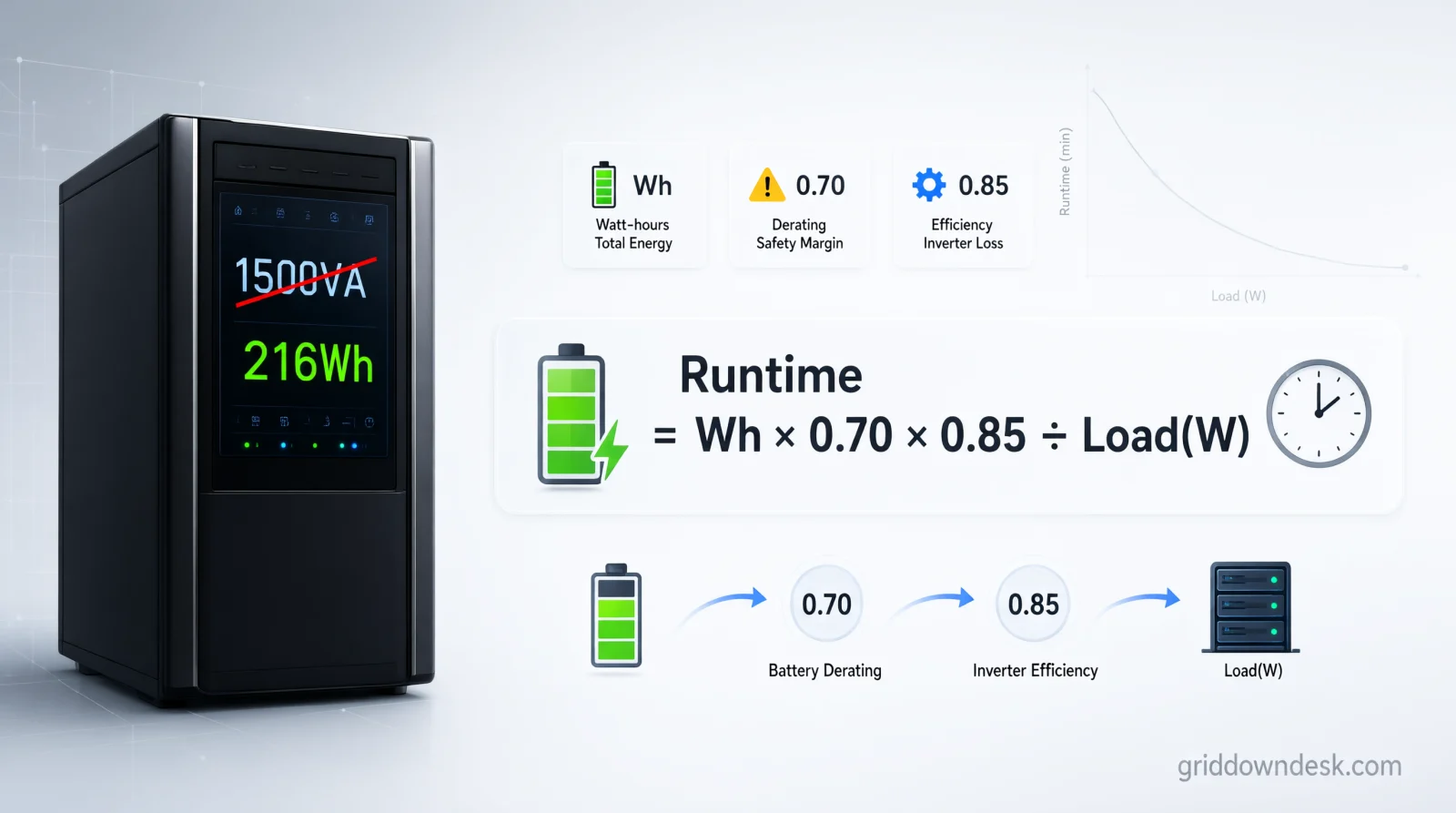
To choose the right portable power station, first calculate your total device wattage and multiply it by the hours you need them to run. This gives you the required watt-hours (Wh). For most home backup needs, a 500Wh to 1000Wh LiFePO4 power station with a pure sine wave inverter offers the best balance of capacity, safety, and longevity.
Key factor 1: Capacity (Wh) vs. Output (W)
Two numbers define a power station's capability, and they are often confused:
- Capacity (Watt-hours, Wh): This is the size of the "fuel tank." It determines how long the station can run your devices. A 1000Wh station can theoretically run a 100W device for 10 hours.
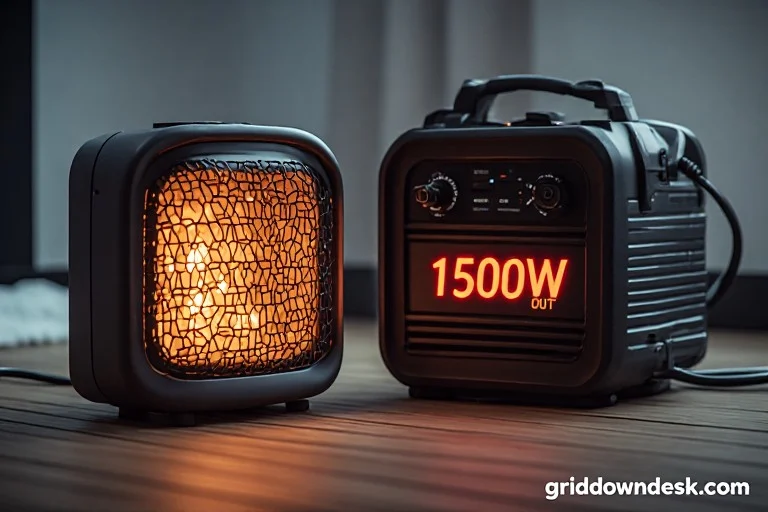
- Output (Watts, W): This is the size of the "pipe." It determines what devices the station can power at once. If your devices draw 1200W, you need a station with at least a 1200W continuous AC output.
Key factor 2: Battery Chemistry
The internal battery chemistry dictates the lifespan and safety of the unit:
- LiFePO4 (Lithium Iron Phosphate): The current gold standard. These batteries are rated for 3000+ charge cycles before dropping to 80% capacity. They are heavier but much safer and longer-lasting.
- NMC (Lithium-ion): Lighter and cheaper, but typically rated for only 500–800 cycles. They are more prone to thermal runaway if damaged or overheated.
For a long-term investment, especially for home backup, LiFePO4 is highly recommended.
Key factor 3: Inverter Type
Always choose a power station with a Pure Sine Wave inverter. Cheaper models use a "modified" or "simulated" sine wave, which produces a choppy electrical signal. While this might run a simple incandescent bulb, it can cause motors to overheat, create a buzzing sound in audio equipment, and damage sensitive electronics like laptops, medical devices, and modern appliance control boards.
Key factor 4: Recharging Options
A power station is only useful if you can recharge it. Look for a model that supports multiple input methods:
- AC Wall Charging: The fastest method, usually taking 1.5 to 3 hours for mid-sized units.
- Solar Charging: Essential for extended off-grid use. Ensure the station has a high solar input limit (e.g., 200W–400W) and a built-in MPPT charge controller for maximum efficiency.
- 12V Car Charging: A slower but reliable backup method for recharging on the go.
How to match the station to your needs
| Use Case | Recommended Capacity | Recommended Output |
|---|---|---|
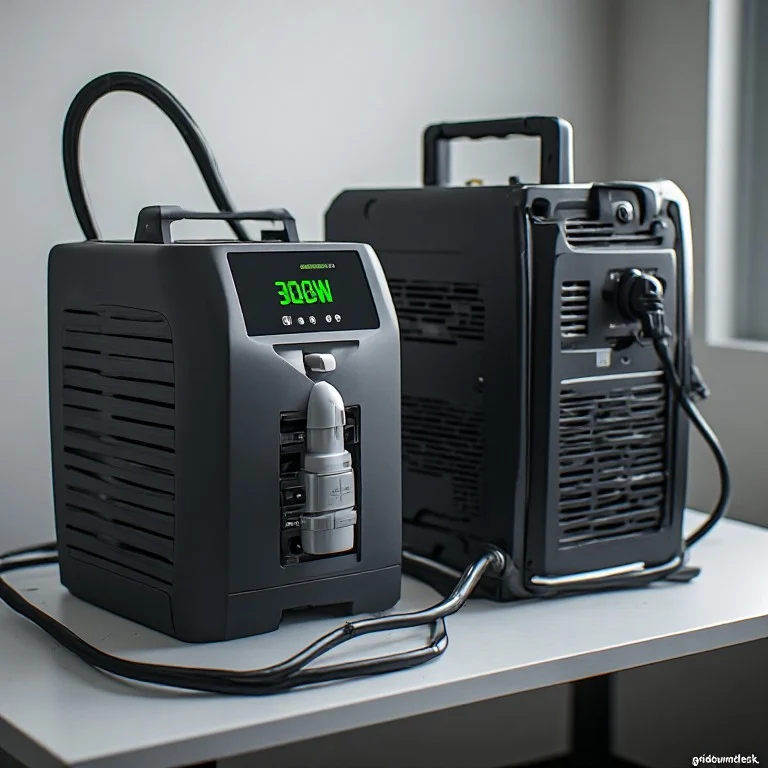
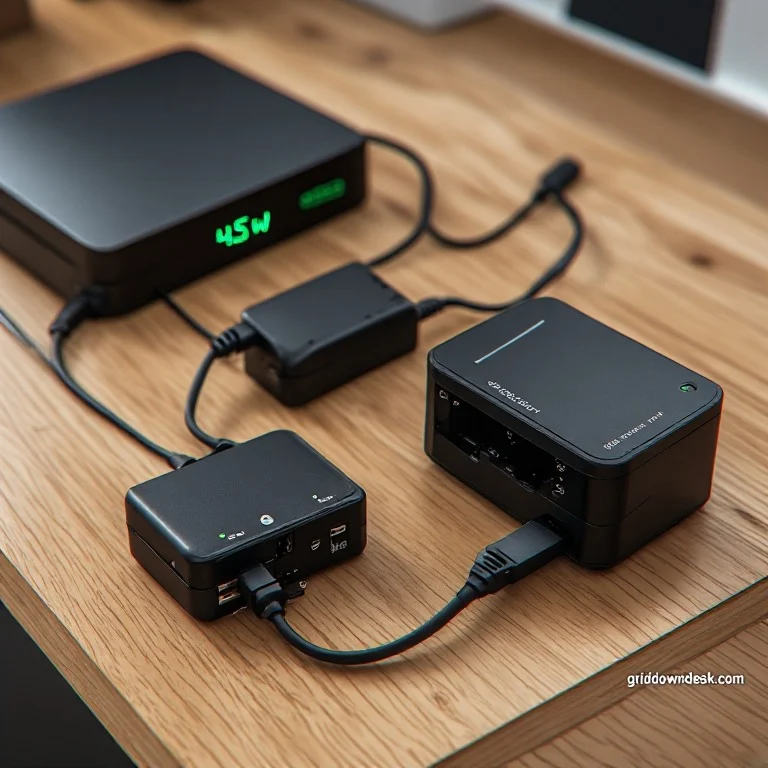
| Phone, laptop, and router backup | 300 – 500 Wh | 300 – 500 W |
| Mini fridge, TV, and lights | 500 – 1000 Wh | 600 – 1000 W |
| Power tools or microwave | 1000 – 2000 Wh | 1500 – 2000 W |
| Whole-home essential backup | 2000+ Wh | 2000 – 3000 W |
For help calculating your exact solar recharging needs, see our guide on how to calculate solar panel needs.
FAQ
Can I take a power station on an airplane? No. The FAA limits portable batteries on commercial flights to 100Wh (or up to 160Wh with airline approval). Most power stations exceed this limit and can only be transported by ground.
Do power stations make noise? Most modern LiFePO4 stations are completely silent when the load is low. However, when charging rapidly or powering high-wattage devices, the internal cooling fans will turn on to prevent overheating.
Can I leave it plugged in all the time as a UPS? Many modern stations support "UPS mode" or "pass-through charging," allowing them to act as an uninterruptible power supply with a transfer time of under 30ms. Check the manufacturer's specifications, as some older models do not support this feature.
How heavy are these stations? Capacity correlates with weight. A 500Wh LiFePO4 station typically weighs around 15 lbs (7 kg), while a 2000Wh unit can weigh 50 lbs (22 kg) or more. Consider portability if you plan to move it frequently.