Balcony Solar Setup for Power Stations Guide
Short answer
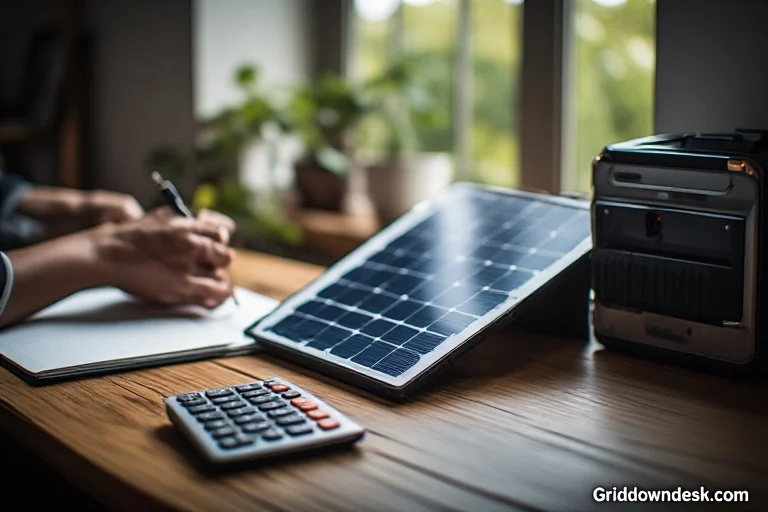
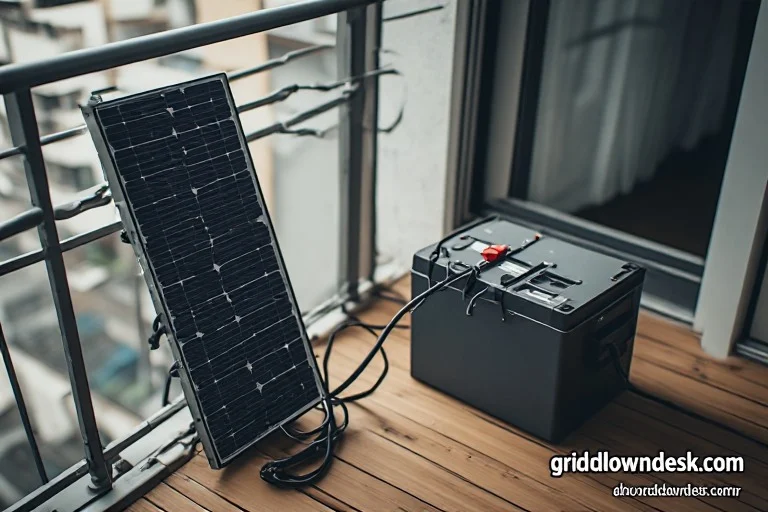
To charge a portable power station from a balcony, use a rigid or heavy-duty foldable solar panel (100W–200W) securely mounted to the railing or wall, facing south. Use a weatherproof, flat-profile cable to safely route power through a window or door gap. In urban environments, expect 30% to 50% less output than rated capacity due to shading and suboptimal angles, making a 200W panel the practical minimum for meaningful daily charging of a 500Wh+ station.
The urban solar reality
Rooftop solar gets all the attention, but balcony solar (often called "Balkonkraftwerk" in Europe) is rapidly growing for apartment dwellers. However, the urban environment introduces unique challenges:
- Shading: Nearby buildings, trees, and even the balcony's own roof can cast shadows that disproportionately cripple solar panel output.
- Suboptimal Angles: Vertical mounting on a railing is common for safety, but it reduces energy harvest by 20%–30% compared to a tilted angle, except during winter when the sun is low.
- Wind Load: Panels act as sails. Improperly secured panels can be ripped from their mounts during storms, posing a severe danger to people and property below.
Step-by-step safe balcony setup
Step 1: Choose the right panel type. For permanent balcony mounting, rigid, framed monocrystalline panels are superior to foldable fabric panels. They withstand UV degradation, wind, and rain far better. If using foldable panels, ensure they have robust grommets and are only deployed when you are home to monitor them.
Step 2: Secure mounting is non-negotiable. Use heavy-duty, UV-resistant zip ties, stainless steel hose clamps, or dedicated balcony mounting brackets. The panel must not wobble. If mounting vertically on a railing, ensure the frame is flush against the bars to minimize wind catch.
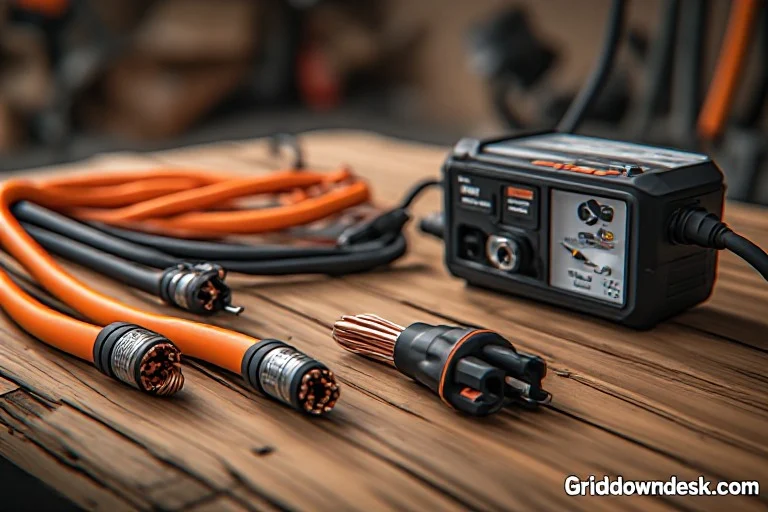
Step 3: Safe cable routing. Never pinch a cable in a tightly closed window or door, as this will damage the insulation and create a short-circuit or fire hazard. Use a purpose-built "flat window cable" designed to pass through a slightly open gap without compromising the seal or damaging the wire.
Step 4: Direct DC connection. Plug the panel directly into the power station's DC solar input port. Do not use a separate micro-inverter to feed AC power into the wall unless you are installing a permanent, grid-tied balcony system (which requires landlord approval and specific regulations).
Calculating realistic urban solar yield
As detailed in our solar panel sizing calculator guide, you must apply a heavy derating factor for balconies.
Formula: Expected Daily Wh = (Panel Rated Watts × 0.50) × Peak Sun Hours
Note: We use a 0.50 efficiency factor to account for vertical mounting, partial urban shading, and glass reflection losses.
Example Calculation:
- Panel: 200W
- Effective output: 200W × 0.50 = 100W average.
- Summer Peak Sun Hours: 5 hours.
- Daily Harvest: 100W × 5h = 500 Wh per day.
This is enough to fully recharge a 500Wh power station on a good summer day, or maintain a 1000Wh station at a steady state while running a router and laptop. In winter, expect this number to drop to 100Wh–150Wh per day.
Best practices for balcony solar safety
- Check local regulations: Many apartment buildings and municipalities have rules about the appearance and placement of objects on balconies. Ensure your setup complies with HOA or local building codes to avoid fines.
- Install a diode or use a panel with bypass diodes: If partial shading is unavoidable, ensure your panel has bypass diodes. This prevents a shaded cell from becoming a "hot spot" that can melt the panel's backing or start a fire.
- Unplug during severe weather: If a severe storm, hail, or hurricane is forecast, disconnect the panel and bring it inside if possible, or ensure it is secured in a flat, low-profile position.
- Clean the glass regularly: Urban environments accumulate dust, pollen, and bird droppings quickly. A dirty panel can lose 15% to 25% of its output. Wipe it down with a damp cloth once a month.
Maintaining your urban solar setup
Regularly inspect the mounting hardware for rust or loosening, and check the cable insulation for cracks caused by UV exposure or window friction. Keep your power station indoors in a cool, dry place. For comprehensive battery care instructions, see our guide on how to maintain and store your portable power station.
FAQ
Can I leave the solar panel plugged into the power station 24/7? Yes, modern power stations have built-in MPPT charge controllers that will stop drawing current once the battery reaches 100%. However, it is good practice to turn off the power station's main DC input switch if you will be away for an extended period.
Will a vertical panel work in the winter? Surprisingly, yes. While vertical mounting is inefficient in summer (when the sun is high), it is actually the optimal angle for winter, when the sun stays low on the horizon. A vertical panel will also shed snow much faster than a tilted one.
Can I connect multiple balcony panels to one power station? Yes, but only if they are wired in a configuration (series or parallel) that stays strictly within the power station's maximum solar input voltage (Voc) and wattage limits. Check your manual before combining panels.
Is it safe to use an extension cord for the solar panel? It is not recommended. Long, thin extension cords cause significant voltage drop, reducing charging efficiency. If you must extend the reach, use a dedicated, thick-gauge (10 AWG or 12 AWG) solar extension cable with proper MC4 connectors.