ATS Automatic Transfer Switch: Home Backup Guide
Short answer
An Automatic Transfer Switch (ATS) continuously monitors your utility grid power and automatically switches your home’s critical circuits to a backup source (generator, inverter, or power station) within milliseconds to seconds of an outage. For battery/inverter systems, you need a high-speed, solid-state or motorized ATS with a switchover time under 20ms to prevent computers and medical devices from rebooting. For standby generators, a standard contactor-based ATS with a programmed engine-start delay is required.
The "Manual Switching" problem
While a Manual Transfer Switch (MTS), as detailed in our safe home connection guide, is perfectly safe and code-compliant, it requires human intervention. If a blackout occurs while you are at work, on vacation, or asleep, your refrigerator will thaw, your sump pump will fail, and your security system will die.
An ATS eliminates this vulnerability. It acts as an intelligent, automated gatekeeper between the grid and your backup power source, ensuring that critical loads never experience a prolonged interruption, regardless of whether you are home to flip a switch.
Real-world ATS types and switchover times
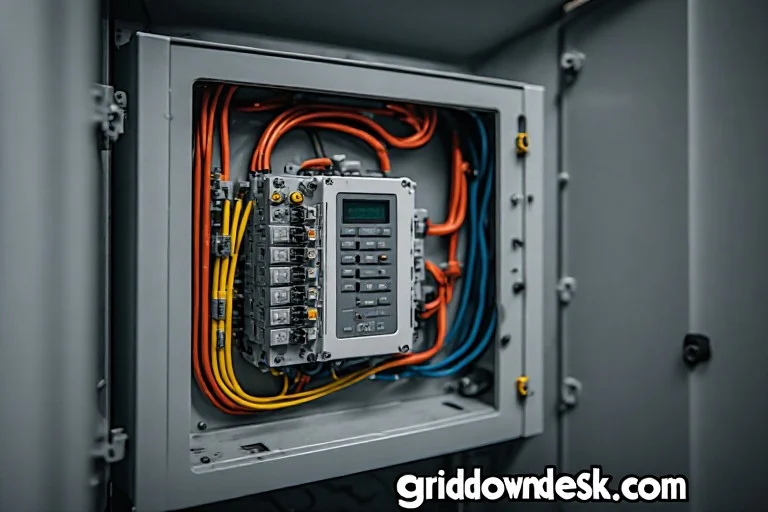
Not all ATS units are created equal. The type of backup power you use dictates the specific ATS technology required.
1. Contactor-Based ATS (For Standby Generators)
- How it works: Uses heavy-duty electromagnetic relays (contactors) to physically move contacts between "Grid" and "Generator".
- Switchover Time: 100ms to 500ms (often includes a programmed 2-5 second delay to allow the generator engine to start and stabilize).
- Best for: Whole-home natural gas or propane standby generators. The slight delay is acceptable for HVAC and refrigerators.
2. Solid-State / High-Speed Motorized ATS (For Inverters & Power Stations)
- How it works: Uses ultra-fast thyristors (SCRs) or specialized motorized switches to transfer the load almost instantaneously.
- Switchover Time: 4ms to 20ms.
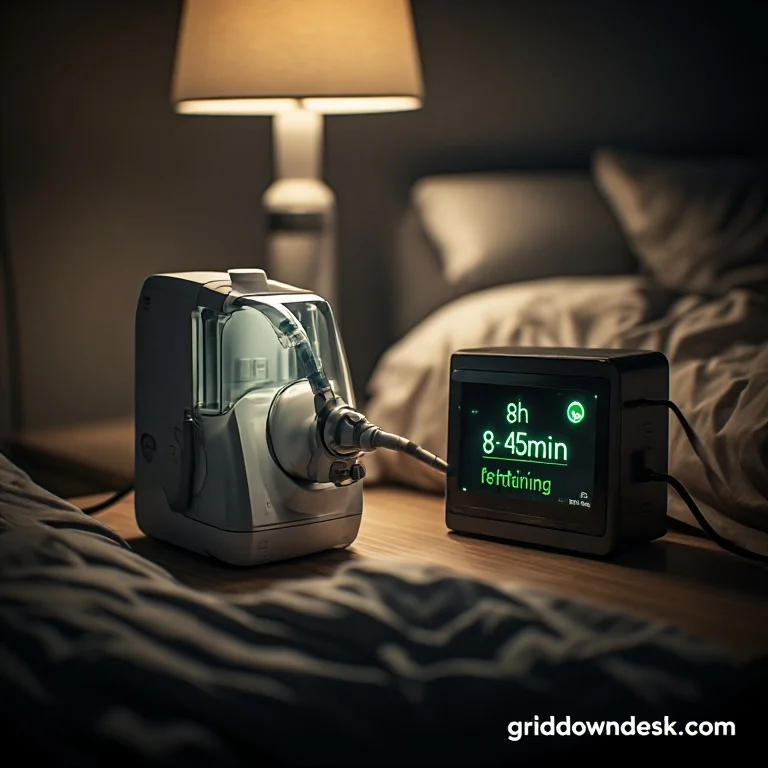
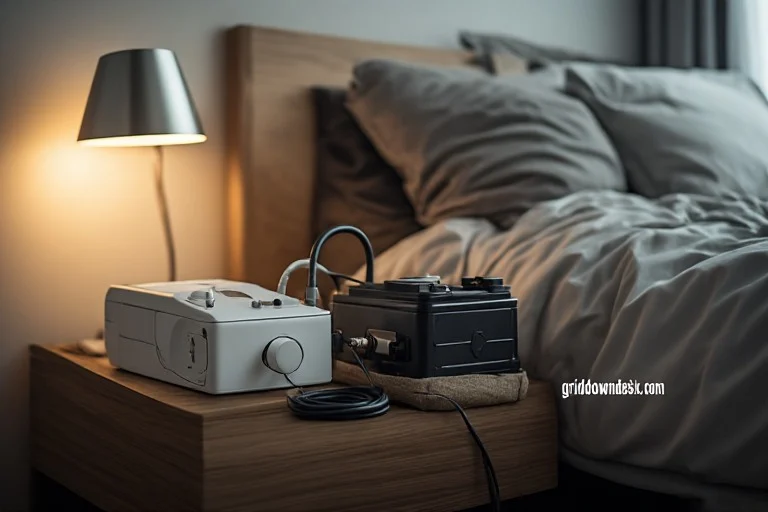
- Best for: Portable power stations, LiFePO4 inverter systems, and UPS setups. This speed is mandatory to prevent desktop PCs, NAS drives, and CPAP machines from rebooting or alarming during the transfer.
Calculating your ATS load capacity
An ATS must be rated to handle the maximum possible simultaneous load of the circuits connected to it, plus a safety margin for inductive surges. For foundational load math, see our home backup power calculator sizing guide.
Sizing Formula: Minimum ATS Amperage = (Total Continuous Watts ÷ Grid Voltage) × 1.25 (Safety Margin)
Example Calculation:
- Total critical load: 3000W (Refrigerator, well pump, lights, router).
- Grid voltage: 240V (Split-phase).
- Base Amperage: 3000W ÷ 240V = 12.5A.
- Required ATS Rating: 12.5A × 1.25 = 15.6A.
In this scenario, a standard 30-Amp or 50-Amp ATS is the correct, safe choice, providing ample headroom for the well pump's startup surge.
Best practices for ATS installation and logic
- Program the "Return to Grid" Delay: When grid power returns, it is often unstable for the first few minutes (flickering or brownouts). A good ATS should be programmed to wait 60 to 120 seconds after detecting stable grid voltage before switching the house back. This prevents rapid, damaging "short-cycling" between the grid and the backup source.
- Implement Load Shedding: If your backup inverter is smaller than your main grid service, integrate a "Load Shedding" module with the ATS. This device will automatically disconnect heavy, non-essential loads (like an electric oven or EV charger) the millisecond the ATS switches to battery power, preventing an inverter overload.
- Isolate the Neutral: Ensure the ATS switches both the "Hot" legs and the "Neutral" (in 240V systems) if required by local electrical codes, preventing ground loop issues and ensuring the backup inverter's GFCI/RCD protection functions correctly.
- Professional Installation is Mandatory: An ATS is wired directly into your main service panel. This involves working with lethal utility-side amperage. Only a licensed electrician should perform this installation to ensure compliance with the NEC (National Electrical Code) or local equivalents.
Maintaining your automated readiness
An ATS is a mechanical and electronic device that must be exercised to remain reliable. Most modern ATS controllers have an automatic "Exercise Mode" that briefly switches the home to backup power (or starts the generator) for 10 minutes once a week to verify system health and lubricate moving parts. Ensure your backup batteries are also maintained. For comprehensive battery care instructions, see our guide on how to maintain and store your portable power station.
FAQ
Can I use a standard generator ATS for a portable LiFePO4 power station? Generally, no. Generator ATS units are designed to send a 12V "start signal" to an engine and wait several seconds for the voltage to stabilize. A portable power station is already "on" and needs an instant, sub-20ms transfer switch designed specifically for inverters to prevent your electronics from crashing.
Will an ATS protect my home from power surges? An ATS provides physical isolation between the grid and your home during an outage, which helps. However, it does not replace the need for a Whole-House Surge Protector installed at the main service entrance to clamp massive voltage spikes from lightning or grid switching.
What happens if the grid drops one leg of a 240V split-phase system? Advanced ATS units monitor both L1 and L2 legs. If one leg drops (a partial outage), the ATS will detect the imbalance or voltage drop and trigger the transfer to backup power, ensuring 240V appliances like well pumps and HVAC systems do not burn out from single-phasing.
Can I install an ATS if I have solar panels? Yes, but the ATS must be installed in a specific configuration (often a "grid-tied with backup" topology) that isolates the solar inverter from the utility grid during an outage to prevent backfeeding, while allowing the solar panels to continue charging your backup batteries.