Safe Home Backup: Manual Transfer Switch Guide
Short answer
The only safe and legal way to power hardwired home circuits (like a furnace, well pump, or refrigerator) from a portable power station is by using a certified Manual Transfer Switch (MTS) or a breaker Interlock Kit. This setup physically isolates your home's electrical panel from the utility grid, preventing "backfeeding," which can electrocute utility workers and destroy your equipment. Never use a "suicide cord" (a cable with male plugs on both ends).
The deadly reality of "Backfeeding"
When the grid goes down, a desperate homeowner might try to plug a male-to-male extension cord into a wall outlet and run the other end to a generator or power station. This is known as a "suicide cord," and it is lethally dangerous for three reasons:
- Electrocution Hazard: It sends 120V/240V power backward through your home's wiring and out to the utility transformer. Utility workers repairing the downed lines assume the grid is dead. Backfeeding can kill them.
- Fire Risk: Standard wall outlets and household wiring are not rated to handle the full load of a house being pushed backward through a single 15-Amp circuit. This will melt the wires and cause an electrical fire.
- Equipment Destruction: When grid power suddenly returns, it will collide with the power coming from your station, causing a massive explosion that will destroy the power station, your appliances, and potentially your electrical panel.
Real-world safe connection methods
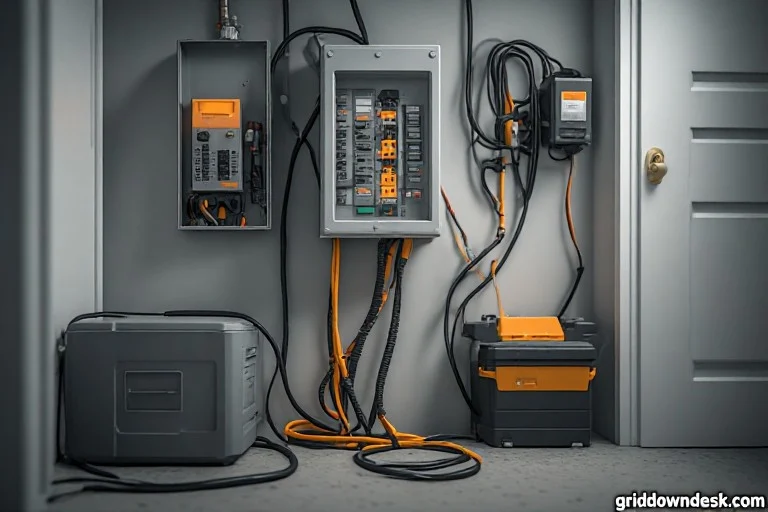
To safely back up specific circuits, you must install a physical barrier between the grid and your backup power source. There are two primary, code-compliant methods:
1. Manual Transfer Switch (MTS)
A sub-panel installed next to your main breaker box. You move 4 to 8 critical circuits (e.g., fridge, furnace, well pump, lights) from the main panel to the MTS.
- How it works: A heavy-duty switch has three positions: "Line" (Grid), "Off", and "Gen" (Generator/Power Station). It is mechanically impossible for both to be "On" simultaneously.
- Best for: Homeowners who want a clean, permanent, and highly visible safe switching mechanism.
2. Breaker Interlock Kit
A metal or plastic sliding plate installed directly on the cover of your main electrical panel.
- How it works: The kit physically blocks the "Backup Power" main breaker from being turned on unless the main "Grid" breaker is turned completely off first.
- Best for: Budget-conscious users who want code-compliant safety without installing a separate sub-panel. Requires a licensed electrician for proper installation.
Step-by-step safe setup guide
Step 1: Professional Installation. Do not attempt to wire an MTS or Interlock Kit yourself unless you are a licensed electrician. Local electrical codes (like the NEC in the US or ПУЭ в СНГ) strictly govern these installations.
Step 2: Install a Power Inlet Box. An inlet box is mounted on the exterior or interior wall of your home. It provides a safe, weatherproof female socket to plug your power station into, keeping the connection point outside the main panel.
Step 3: Calculate Your Critical Load. You cannot power the entire house with a portable station. You must select only essential circuits. For a detailed walkthrough of sizing this load, refer to our guide on home backup power calculator sizing. Ensure the total wattage of the selected circuits does not exceed your power station's continuous output.
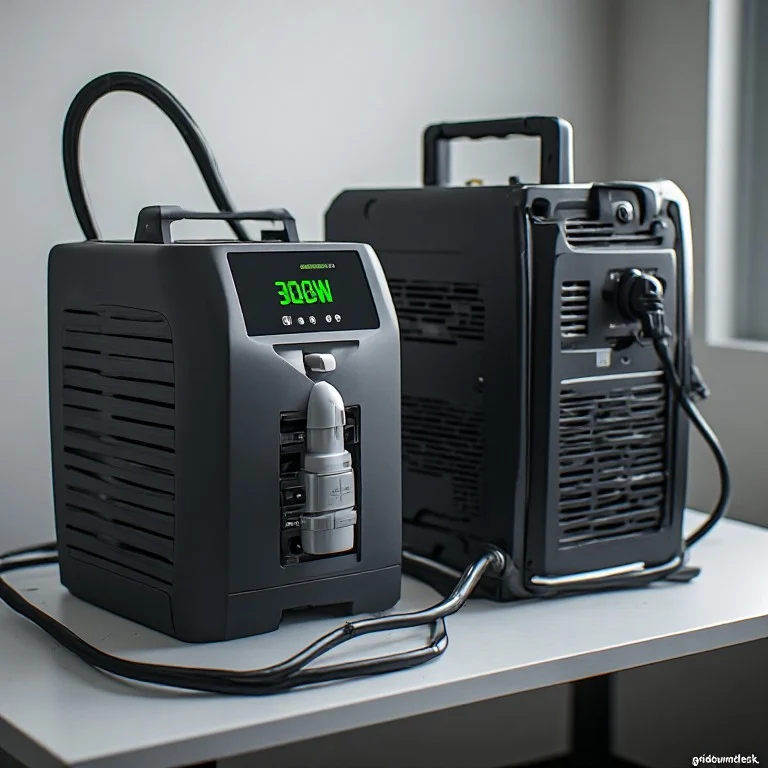
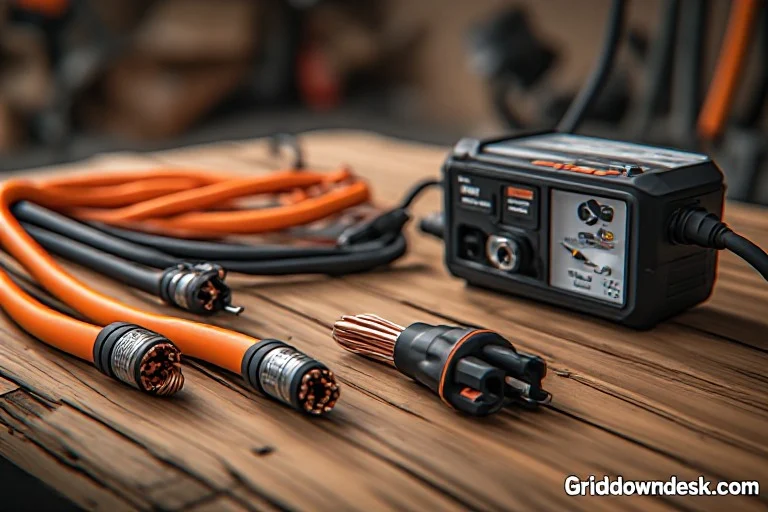
Step 4: Use the Correct Cord. Use a heavy-duty, properly rated generator cord (e.g., L14-30 or L5-30 twist-lock) that matches your inlet box and the power station's output port. Twist-lock connectors prevent accidental disconnection.
Best practices for home backup safety
- Test the system quarterly: Simulate an outage. Turn off the main grid breaker, switch the MTS to "Gen", plug in the power station, and verify that your critical circuits (fridge, lights) turn on.
- Never bypass the interlock: If the mechanism feels stuck, do not force it. Call an electrician. The interlock is your primary defense against catastrophic failure.
- Monitor inverter load: When switching multiple circuits on at once, turn them on one by one to avoid hitting the power station's surge limit simultaneously.
Maintaining your backup readiness
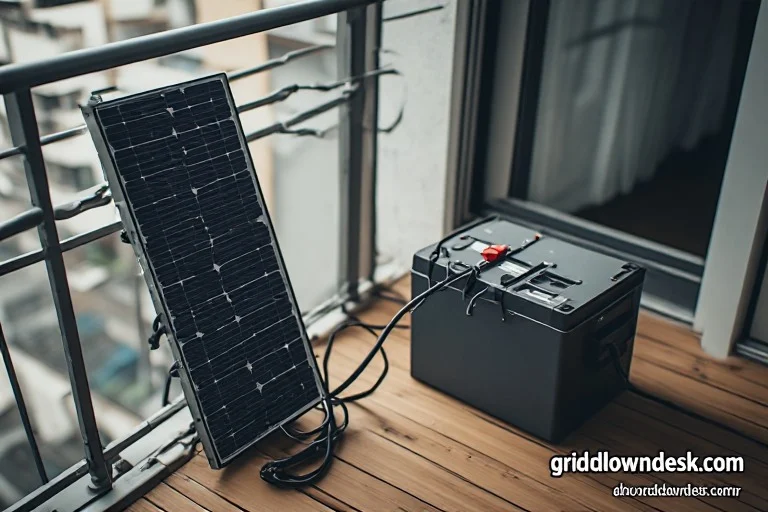
A transfer switch is a mechanical device that should be exercised periodically to prevent contacts from seizing. Flip the switch back and forth (with power off) once a year. Additionally, ensure your power station is kept charged and maintained. For comprehensive battery care instructions, see our guide on how to maintain and store your portable power station.
FAQ
Can I just use a heavy-duty extension cord to plug my fridge directly into the power station? Yes, and this is the safest, simplest method if you only need to back up one or two plug-in appliances. The danger only arises when you attempt to feed power into the home's electrical wiring.
Will a Manual Transfer Switch work with a portable power station? Yes, as long as the power station has a compatible AC output (e.g., a 30A RV-style outlet or a standard 20A household outlet, matched with the correct inlet box and cord).
Do I need a permit to install an Interlock Kit or MTS? In most jurisdictions, yes. Any permanent modification to your main electrical panel requires a permit and inspection by a licensed professional to ensure it meets local fire and safety codes.
What happens if I accidentally leave the MTS on "Gen" when grid power returns? Nothing dangerous. Because the MTS physically isolates the two power sources, the grid power will simply stop at the "Line" side of the switch. Your home will remain on battery power until you manually switch it back to "Line".